MENU

Cartiere Carrara and BulkySoft at “Europropre 2025”

Cartiere Carrara and BulkySoft at “Europropre 2025”

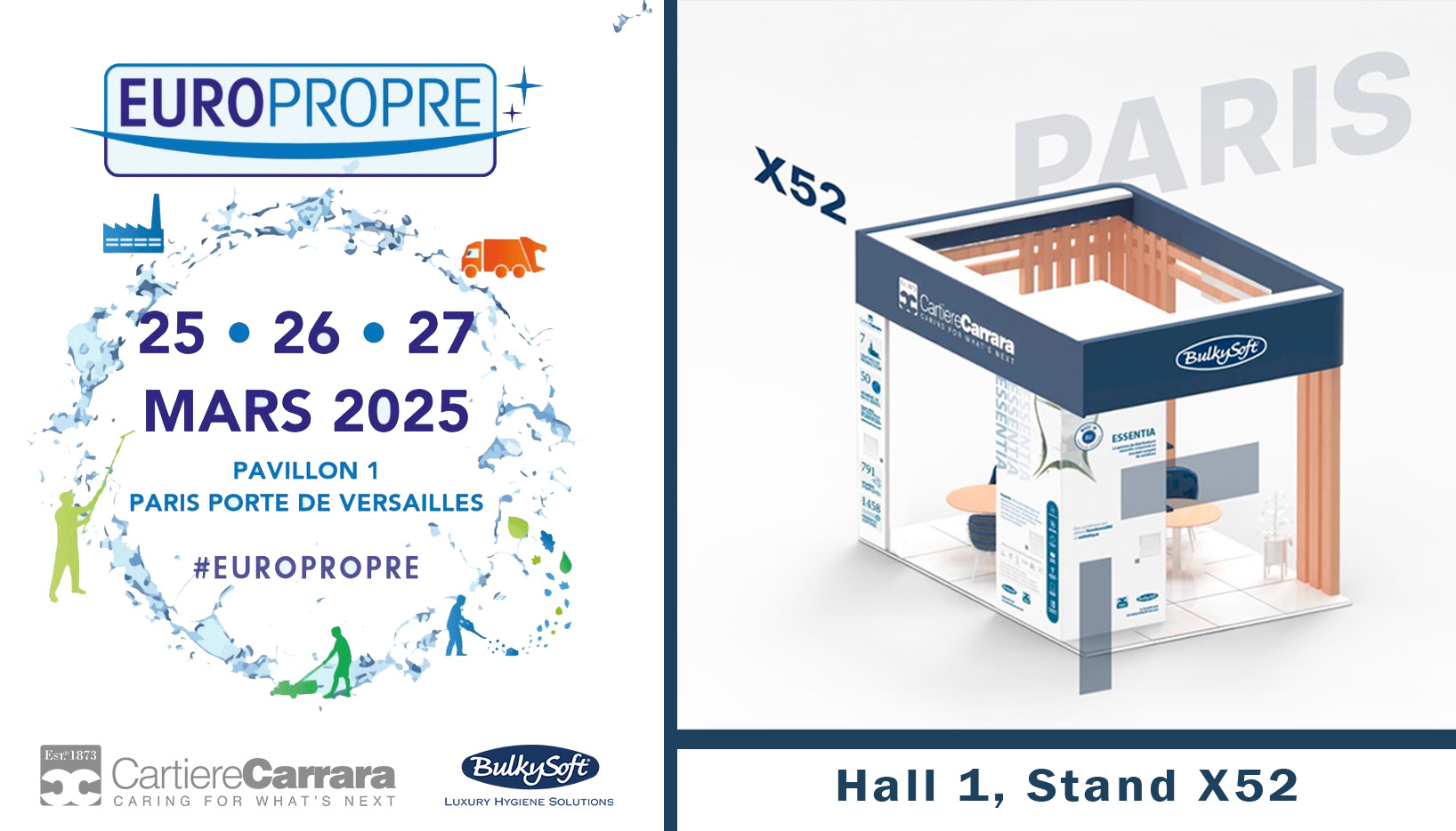
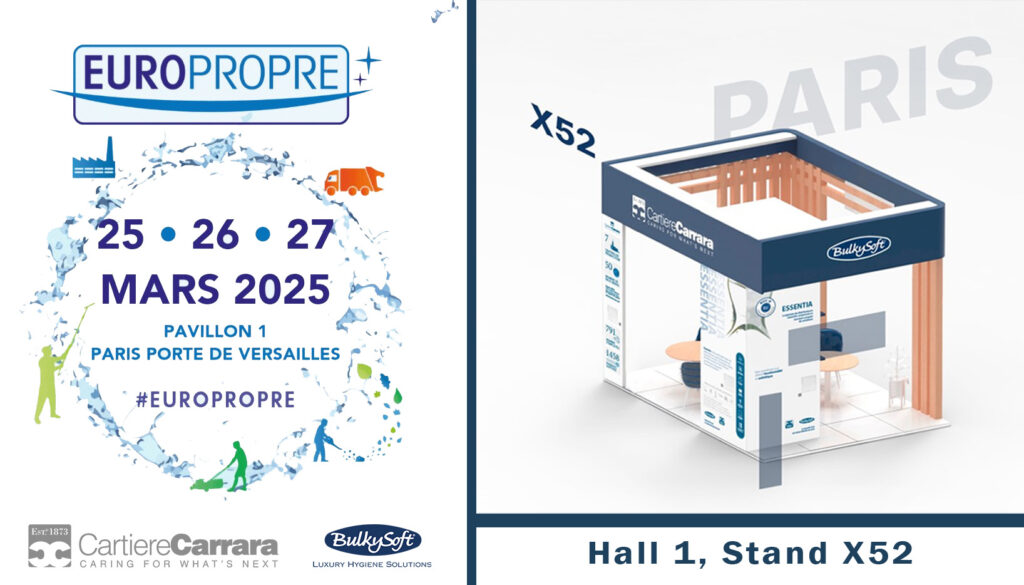
Cartiere Carrara, one of Europe’s leading tissue paper manufacturers with over 150 years of experience, will be a key player at Europropre 2025, the benchmark event for the professional hygiene sector. Join us in Paris, Porte de Versailles, Hall 1, Stand X52, from March 25 to 27, 2025, to discover the latest innovations from the BulkySoft range, designed to ensure maximum efficiency and sustainability.

BulkySoft® products are developed to optimize consumption thanks to their intrinsic qualities and the efficiency of Essentia dispensing systems, ensuring hygiene, convenience, and waste reduction. The range offers advanced solutions for every professional environment: from washroom areas—where hand hygiene and drying must be managed efficiently and sustainably—to healthcare facilities that demand the highest standards of safety and protection. Workspaces also benefit from tailored hygiene solutions, while the hospitality and catering sectors find the perfect balance between quality and functionality in BulkySoft® napkins.

During the event, we will also present BulkySoft Havana, a solution with a distinctive natural color, designed to combine unique aesthetic impact with ecological awareness. EasyBag is the ideal choice for those looking for maximum convenience in product transport and handling, while Membrane Plus introduces innovative technologies for even more advanced performance. Finally, with Comfort De-Inked, we offer high-quality recycled paper processed using a method that preserves softness and absorbency, ensuring a superior user experience.

Each of our solutions is driven by innovation and research, with the goal of improving hygiene management in businesses, healthcare facilities, hotels, and catering operations—always with a strong focus on sustainability.

Sustainability is at the heart of Cartiere Carrara’s corporate mission, with responsible practices adopted throughout the entire production chain. Our products are made using raw materials from sustainably managed forests and are certified according to the highest environmental standards. The company continuously invests in low-impact technologies to reduce energy and water consumption, as well as CO₂ emissions—making a concrete contribution to environmental protection.

As a testament to our commitment to a more sustainable future, in 2024 Cartiere Carrara joined the United Nations Global Compact, further reinforcing our dedication to environmental, social, and governance principles. This important step highlights our mission to promote a fairer and more sustainable economy through concrete actions that go beyond regulatory compliance.

Come and discover the future of professional hygiene with Cartiere Carrara at Europropre 2025!
Share on:

Polycyclic Plantations

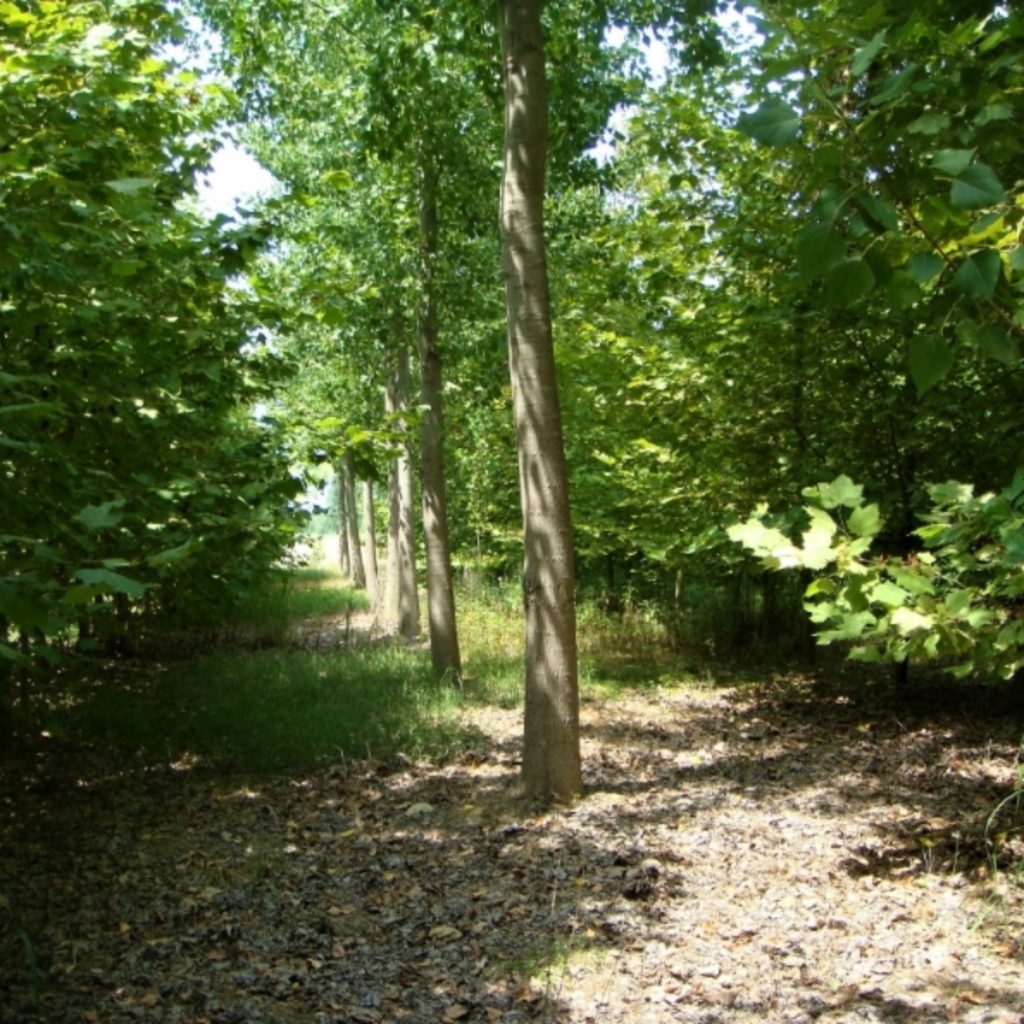
In the area of Badia Pozzeveri, not far from our production hub in Capannori, we set up a series of continuous cycle plantations where trees and shrubs with different growth and cutting patterns coexist. They are constantly replanted after cutting, or grow back autonomously from shoots, thus guaranteeing constant natural coverage over time. From the eco-environmental standpoint, polycycle plantations requalify a flat area that used to have only residual agricultural value, improving the local habitat, regulating the absorption of rainwater, and conserving carbon stock in the soil.  

Natural polycyclic plantations are usually composed of an alternation of: 

  • Medium–long-cycle plants, cut at 15–40-year intervals from planting (hazelnut, cherry, oak, maple, ash, linden) for wood used as structural timber or for manufactured products.
  • Short-cycle plants, cut at 8–14-year intervals from planting (in particular poplar) for the production of paper or packaging.
  • Very short-cycle plants, cut at 6–7-year intervals from planting (e.g. plane) and used as firewood.
  • Shrubs that are not cut, and contribute to maintaining soil coverage.


This varied composition ensures that the different species are cut at different times, allowing any intervention to have a modest impact on the landscape and on the habitats created. Furthermore, the limited agricultural practices required by this management approach allow for preservation of the carbon stock in the soil, and avoid further aggravating global warming due to the massive repetition of tree cutting and replanting.

This type of planning and management of the woods – which includes the permanence of at least 30-40% of the trees after each cutting cycle – allows us to pair different productive species (namely those providing firewood, structural or construction timber, and wood for the production of cellulose) with the logic of permanent topsoil coverage and biodiversity protection.

The wood management method created by polycyclic plantations entails multiple benefits: productive, visual, bio-ecological benefits in terms of habitats for animal species (protecting local biodiversity), regulation of rainwater, and conservation of carbon stock in soil. All thanks to the limited cutting practices (and the permanence of a large part of the woods), which however supply local production chains, including those dedicated to poplar wood and to cellulose production for paper manufacturing.

Kilometroverde® - Lucca.

The Cartiere Carrara Group celebrates 150 years of history.

Kilometroverde® - Lucca.

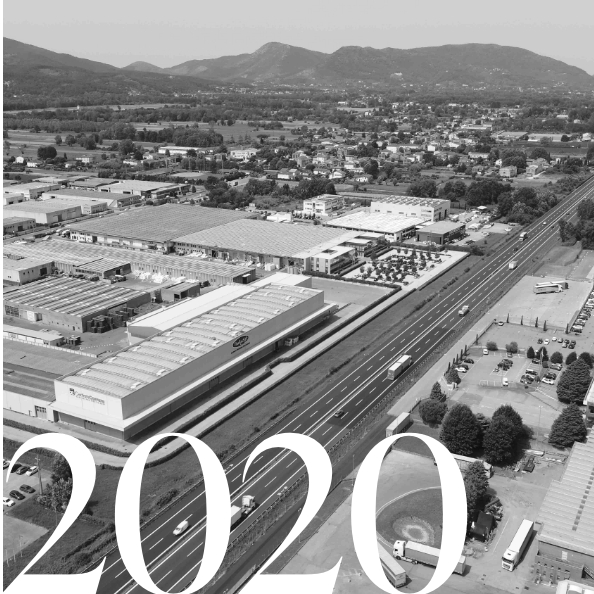
The initiative was born in collaboration with Rete Clima, and consists of a 1-kilometre linear forestation project along the southern section of the A11 motorway between the exits of Lucca Est and Capannori, which runs along the company’s plants.
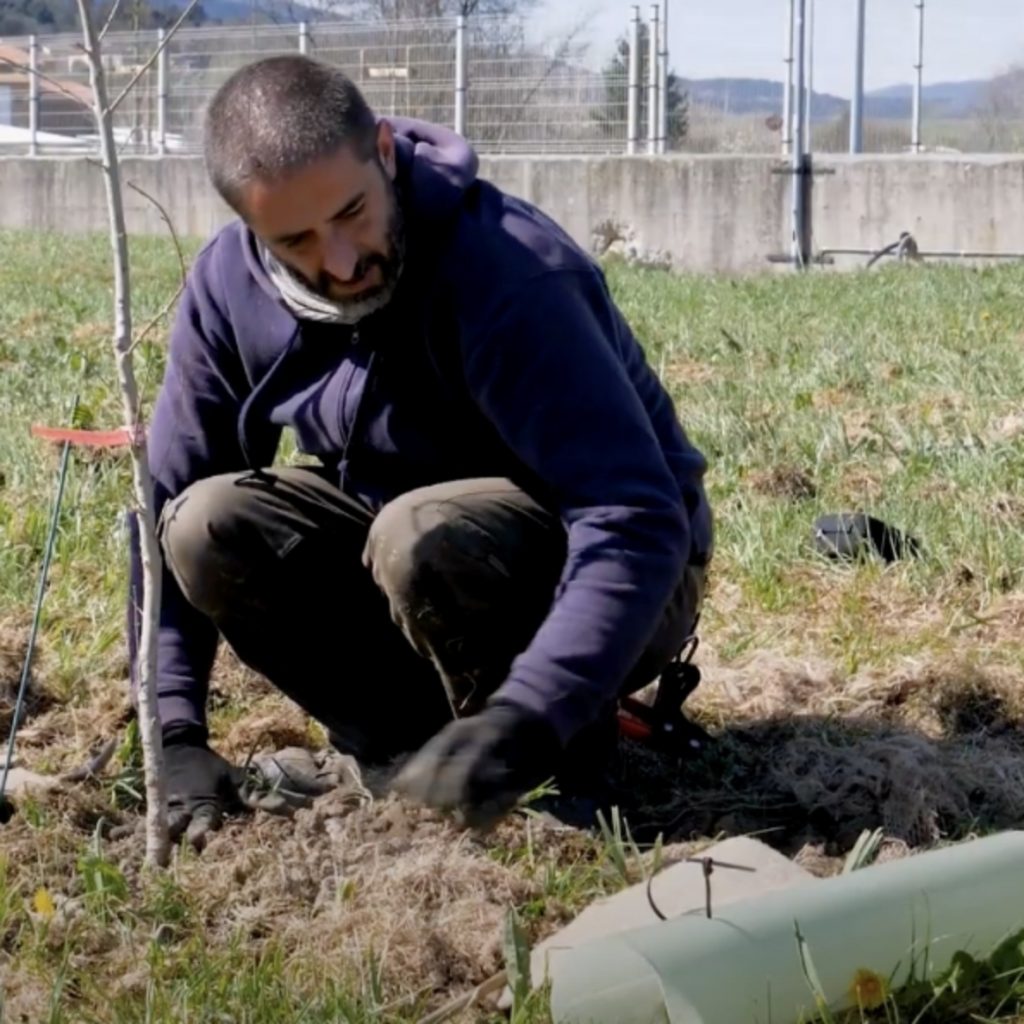
Trees and shrubs were planted on land that used to be bare, and a typical Tuscan forest was reconstituted to replace an existing, neo-formed woodland that had been of limited value for the forest and wider ecosystem. The area was repopulated with autochthonous species of trees and shrubs, reviving a forest type historically present in the Tuscan area but now significantly reduced due to agricultural activities and industrial sites that have developed on the land over time. This type of “linear plantation” is an innovative strategy for the area, intended to have a protective function and to mitigate local environmental impacts. Kilometroverde® Lucca will take on a triple function over time: physical and visual separation barrier between land and motorway; woodland (a true and proper green lung) able to capture the particulate pollutants produced by vehicular traffic (the well-known PM); and concrete tool for a strategy to develop natural continuity with existing sections of woods.
The positive impact of this intervention is not limited to the local territory: like all new forestation initiatives, Kilometroverde® – Lucca will allow us to increase the total absorption of CO2 and contribute to mitigating the effects of global warming.

Kilometroverde® – Lucca will be certified according to the PEFC standard for Sustainable Forest Management. .

The Cartiere Carrara Group celebrates 150 years of history.

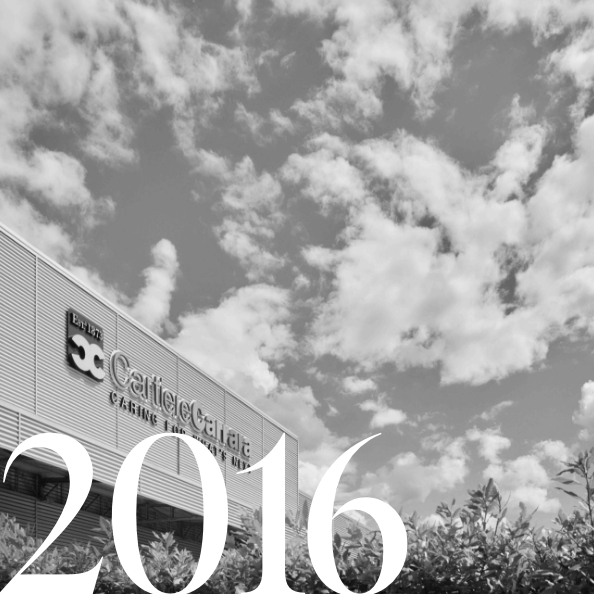
With the acquisition of the Caldaroni Group, the Cartiere Carrara Group is born, paving the way for new growth and future goals.

The Carrara family’s activities are brought back together under the aegis of Cartiere Carrara S.p.A., thus unifying their resources and consolidating their position in the industry.

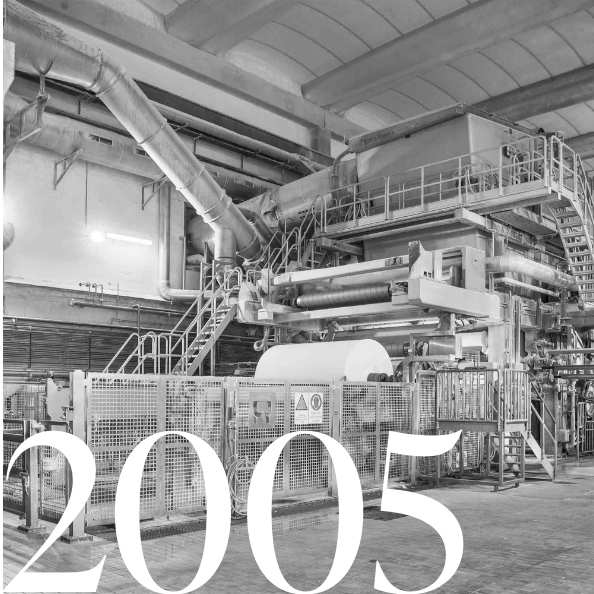
Mario Carrara’s branch of the family decides to resume the activities previously excluded from the 2002 transfer, starting from Cartiera Carma, of which it had always maintained exclusive ownership. With fresh new impetus, the family re-enters the professional and consumer tissue market.

The turn of the millennium brings new opportunities. Cartoinvest is sold to the multinational SCA.

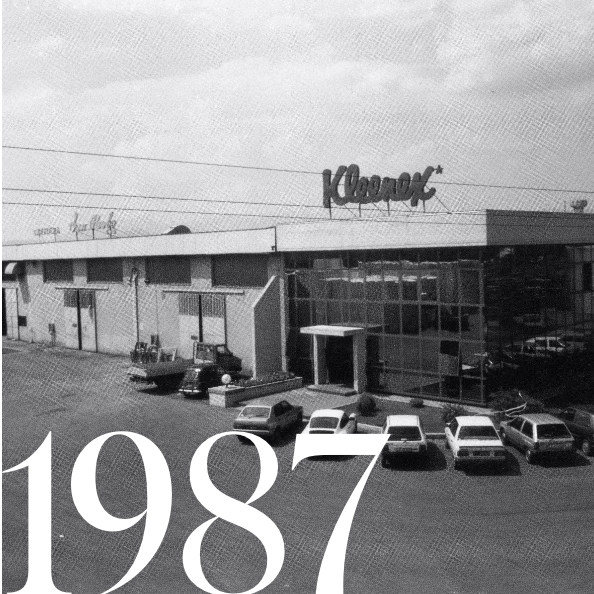
Cartoinvest becomes the exclusive licensee of the Kleenex brand for Europe, thus confirming its leadership in the European tissue market.

The Cartoinvest Group is founded, and takes control of no less than twelve companies in Italy and in Europe, further strengthening their presence and influence in the industry.

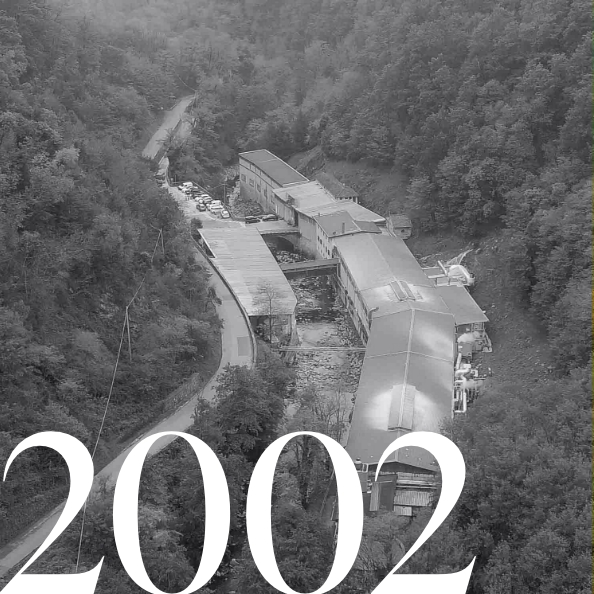
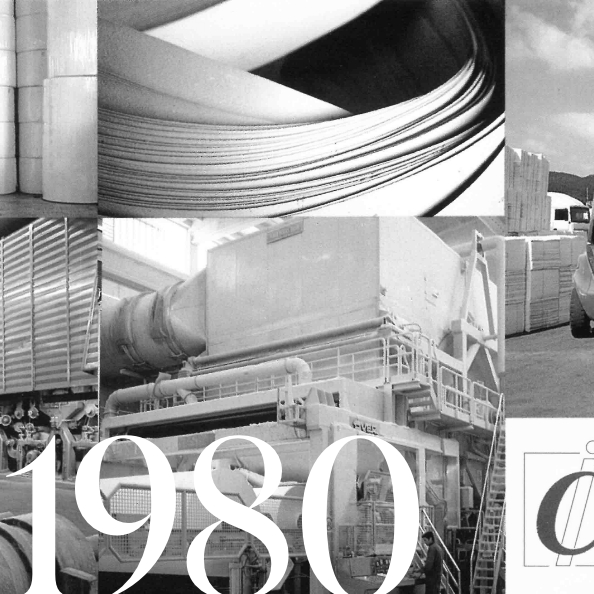
The historical plant in Pietrabuona starts its first continuous machine for tissue paper, introducing remarkable technological innovations in the manufacturing process.

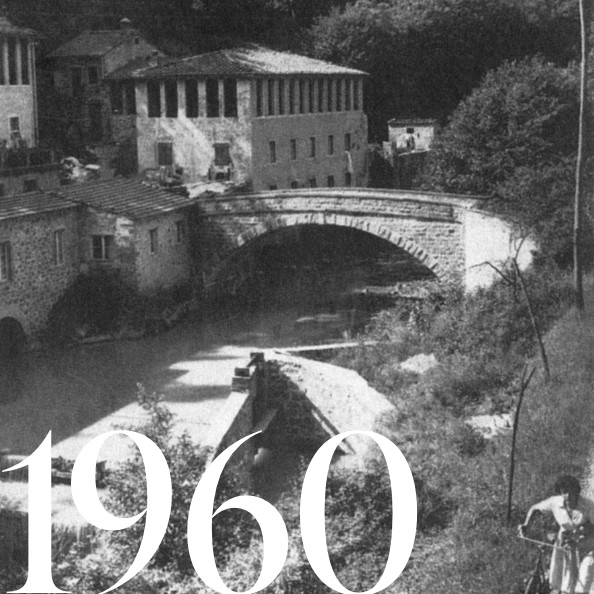
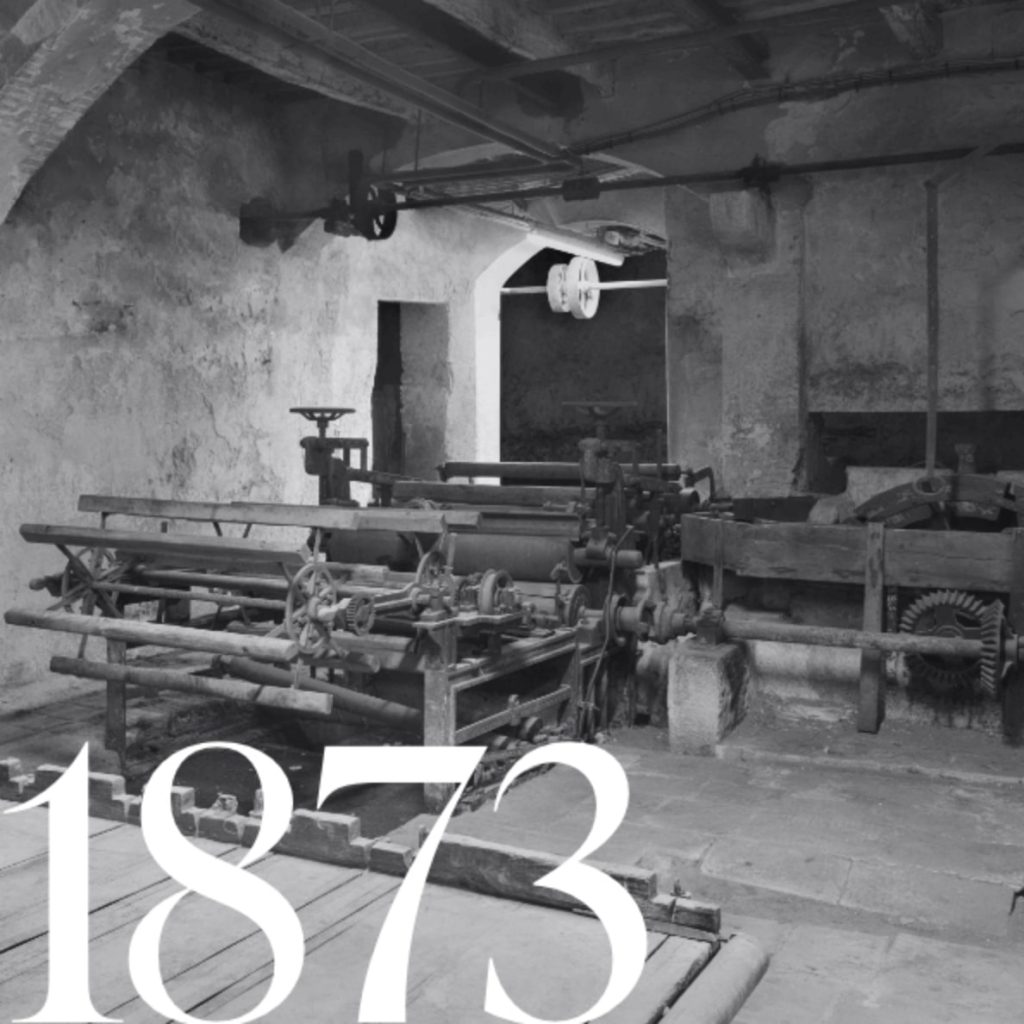
The Carrara family makes its debut in the paper manufacturing business, opening a paper mill in Pietrabuona to make straw paper.